Why Can't Drones Fly for More Than 40 Minutes? (Part 1)
Previously in this series: How Does a Drone Fly?.
Why is the flight time of drones so limited, and what can be done about it?
This is part 1 of the thread.
An ideal aircraft made of nothing but battery
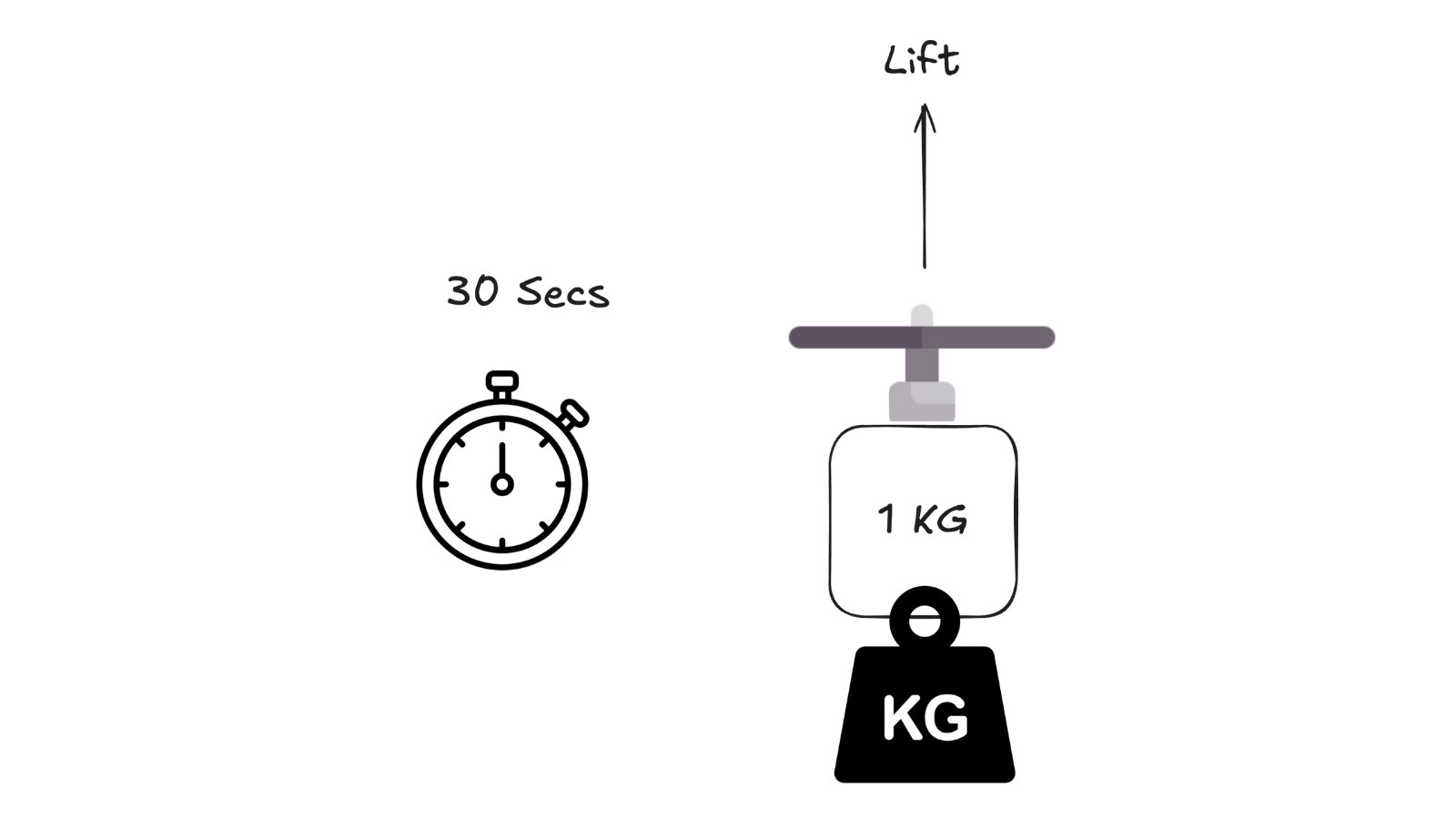
To reason about the limits of flight time, it helps to imagine an ideal aircraft — a thought experiment in which the aircraft is made of nothing but battery.
Any real aircraft that actually gets built won’t be made entirely of battery. It will have a body, motors, propellers, electronics, and so on — and therefore it will fly for less time than the ideal aircraft we imagined. The energy stored in the battery has to generate lift not just for the weight of the battery, but for all that additional weight too.
Adding batteries has a ceiling
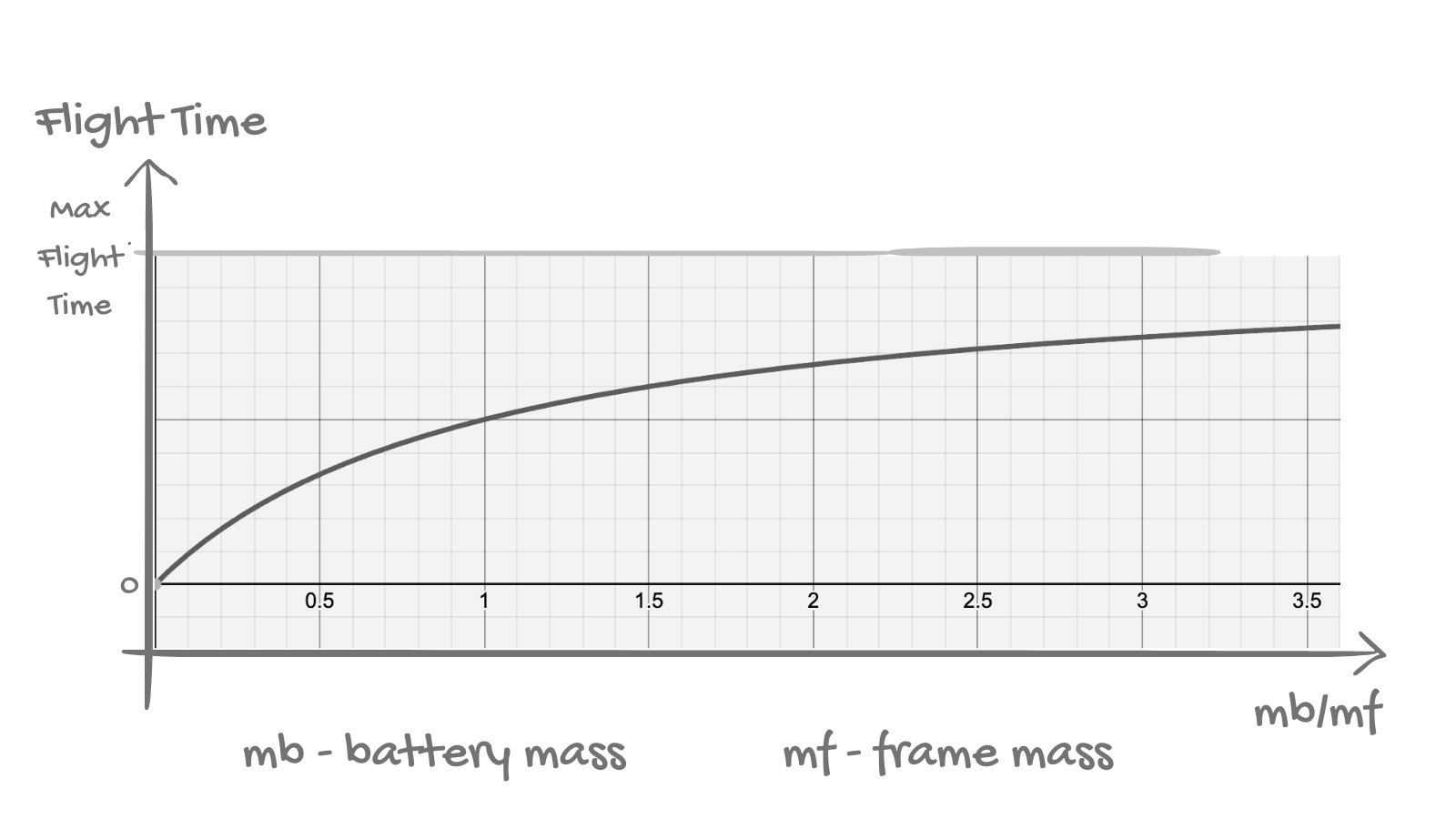
If we take a battery that is very small compared to the weight of the aircraft, it’s obvious that the flight time will be very short. The more batteries we add, the more the weight of the aircraft itself becomes negligible compared to the weight of the battery — and we get closer and closer to the ideal model.
But here’s the catch: the maximum flight time we can ever reach is, at best, the flight time of the ideal aircraft — the one that’s all battery.
Where this is heading
This thought experiment shows us why there is a flight-time limit — for any aircraft — that can’t be beaten simply by adding more batteries.
But reality is even more complex than that. You can reach a situation where you add batteries and the flight time doesn’t grow at all — it actually shrinks. And why is it that helicopters can fly for hours but drones can’t?
We’ll talk about this and more in the next parts of the thread.
Next in this series: Why Can’t Drones Fly for More Than 40 Minutes? (Part 2).
This post is a translation of a thread I originally posted on X.